





Caring for Your Skin
Non-Invasive Diagnosis of NMSC

Caring for Your Skin
Non-Invasive Diagnosis of NMSC
Non-melanoma skin cancer (NMSC) includes basal cell carcinoma (BCC) and squamous cell carcinoma (SCC). While treatable, early detection is key.

How Common is Basal
Cell Carcinoma (BCC)?
Basal cell carcinoma (BCC) is the most common form of skin cancer, especially in fair-skinned populations.
It arises from the basal cells in the outer layer of the skin and is part of the group of cancers called non-melanoma skin cancers. BCC accounts for about 80% of all non-melanoma skin cancers worldwide.
Although BCC rarely spreads (metastasises), it can grow locally and cause significant damage to surrounding tissues if left untreated, especially on the face and neck.
In some countries, lifetime risk estimates for developing BCC are high — for example, it has been reported that up to about 16–20% of people may develop BCC during their lifetime in certain European populations.
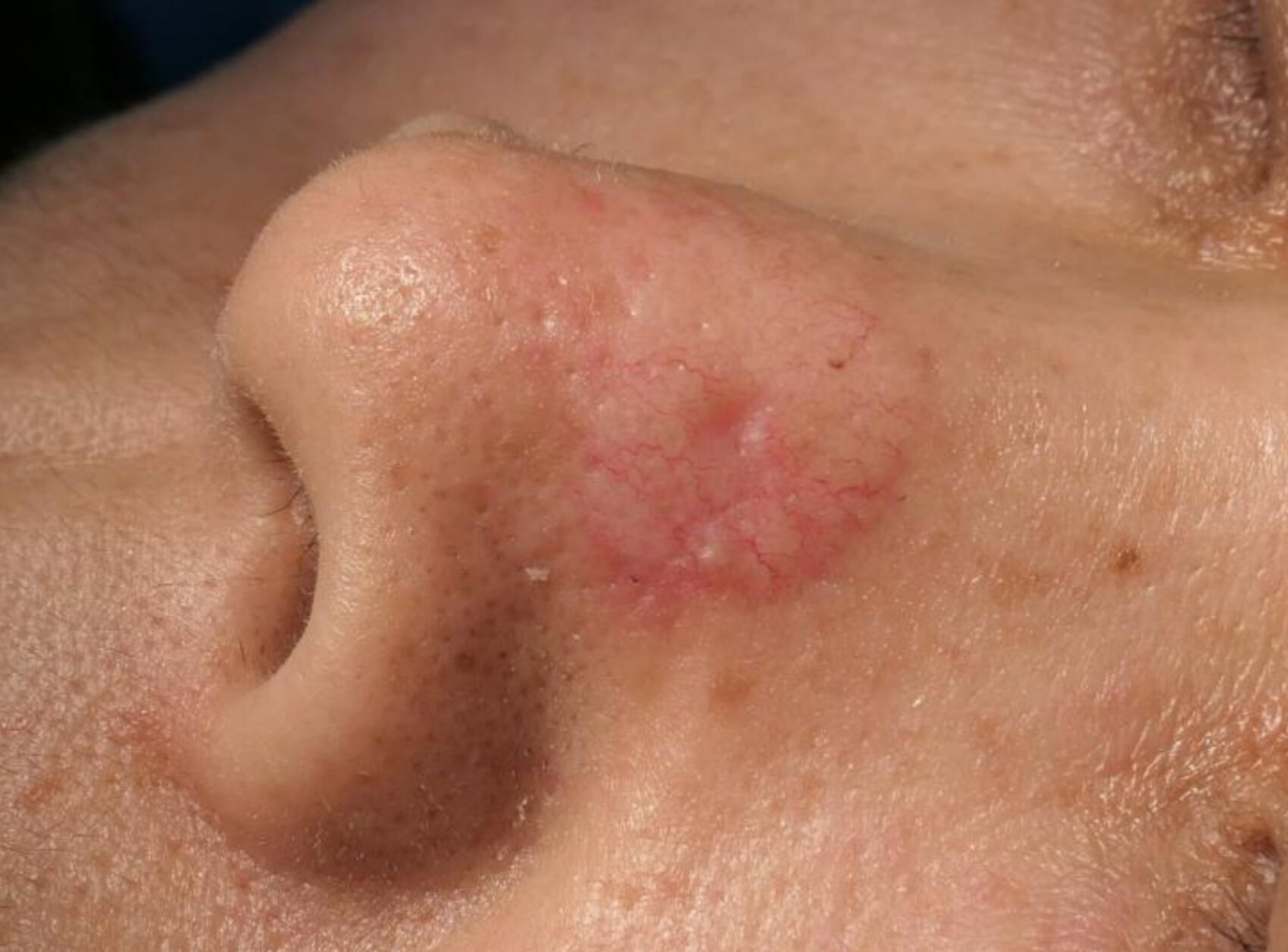
Basal Cell Carcinoma
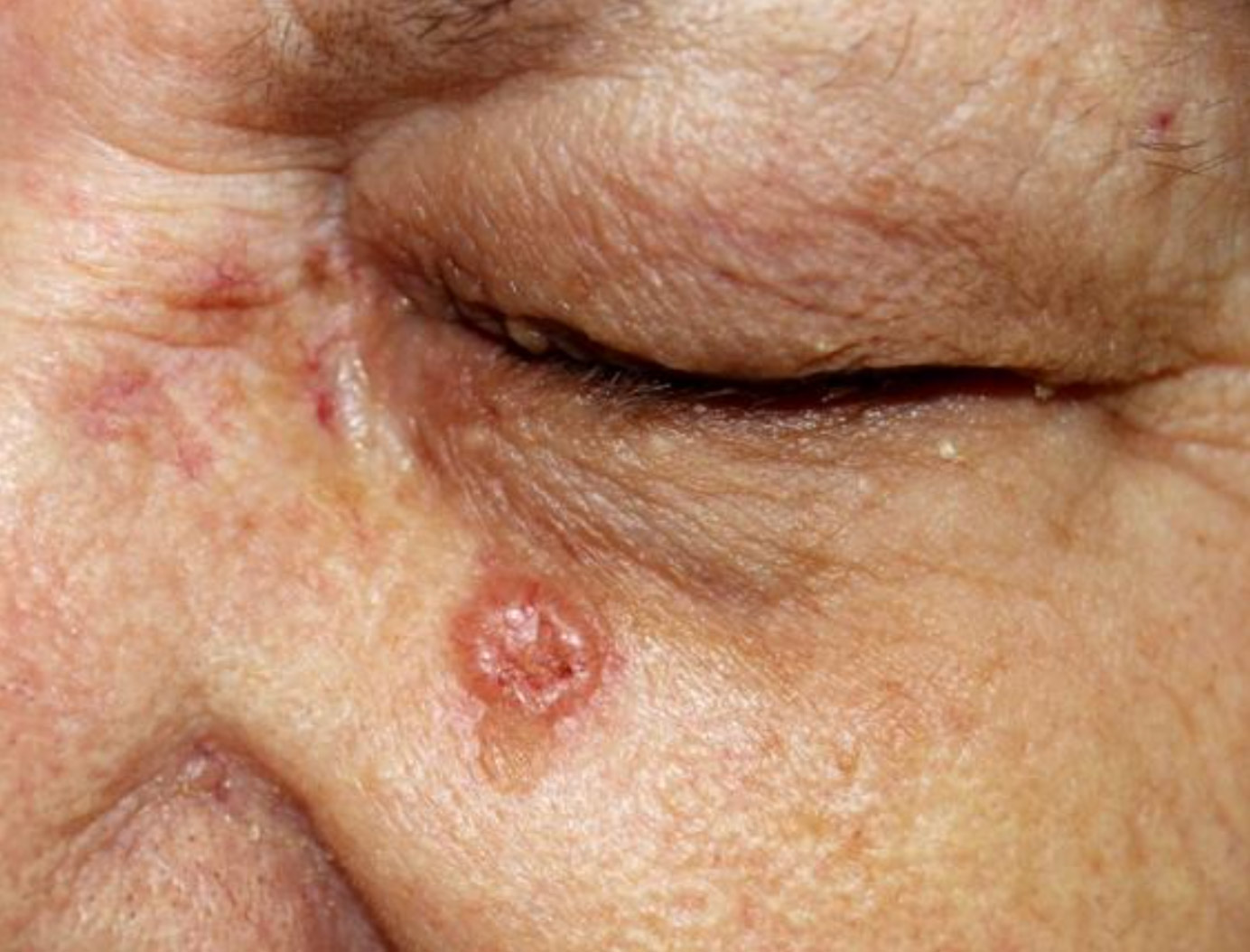
BCC typically occurs on the head and neck, areas exposed to sun
Traditional Biopsy vs. Non-Invasive OCT Imaging
Biopsy
VivoSight OCT (non-invasive)
Pain
Moderate pain during healing
Pain-free, non-invasive
Healing time
5-14 days
None
Stitches
Usually required
None
Scarring
Varies, always leaves a mark
None
Waiting time for results
Days/weeks for lab results
Immediate review
Accuracy
Very high
High
How VivoSight OCT Benefits You
-
No cutting or needles
Your skin is examined without removing tissue or breaking the skin.
-
Completely pain-free
The scan is gentle and comfortable, with no injections or discomfort.
-
Immediate results
Images are available straight away, often allowing discussion in the same visit.
-
May avoid invasive biopsies
Can often help your doctor diagnose and decide on your treatment without biopsy.
-
No scarring from the scan
Because nothing is removed, there is no wound and no scan-related scar.
-
Better treatment decisions
Shows how deep and extensive a lesion is, helping guide the most appropriate care.
-
Safe to repeat over time
Uses light, not radiation, so scans can be repeated to monitor your skin.
-
Fewer appointments
Assessment and treatment planning can often happen in one visit.
-
Clinically proven and trusted
Supported by extensive clinical research and widely used by dermatologists.
-
Supports expert medical judgement
Adds extra information to clinical examination, helping doctors make confident decisions.
- OCT scans are not always 100% clear. Your doctor may still decide to perform a biopsy to be really sure of the diagnosis.
- Some types of Non-Melanoma Skin Cancer should always be biopsied to aid the treatment decision.
What Happens During
a Scan?
- No preparation needed – just visit your dermatologist.
- Scan process: A small handheld device is gently placed on your skin. You may feel light contact, but it’s painless.
- Results: Your dermatologist can review the images immediately and discuss next steps.
VivoSight OCT skin imaging is fast and completely painless
Having a VivoSight OCT scan – FAQs
-
How long does the OCT scan take?
The scan itself takes just 15 seconds. The images are then immediately available for the doctor.
-
Does it hurt?
No, it’s completely painless.
-
I’ve heard it uses a laser. Isn’t that dangerous?
No, the laser is very low power and safe to use without safety goggles.
-
Will the doctor need to apply gel on my skin?
No, gel is not required for a VivoSight OCT scan
-
Is the scanner approved for use by the authorities?
Yes, VivoSight Dx Pro is CE marked for use in the UK and EU. OCT skin imaging is included in an increasing number of national and international Clinical Guidelines for the diagnosis of Basal Cell Carcinoma, including those of the EU, Germany, The Netherlands and UK.
-
Is OCT 100% accurate? If not, why not biopsy instead?
OCT, like other diagnostic techniques is not 100% accurate. But studies published in leading medical journals have shown that OCT skin imaging is “non-inferior”, or not significantly worse, than biopsy. So the benefits of OCT are considered by doctors to justify its use, rather than biopsy, in many situations.
-
I have a mole on my skin that my family doctor says could be a Melanoma Skin Cancer. Will OCT help to diagnose this?
No. VivoSight is only approved for use in the diagnosis and management of Non-Melanoma Skin Cancers (NMSC). You should see a dermatologist about your mole.
Sun Exposure and BCC
What Patients Should Know
Exposure to ultraviolet (UV) radiation from the sun — and from artificial sources like tanning beds — is the leading cause of BCC. Damage from UV radiation can alter DNA in skin cells, increasing the risk that cancer will develop.
Key Sun-Related Risk Factors:
- Intense sun exposure: Sunburns — especially during childhood or adolescence — are linked with increased BCC risk later in life.
- Cumulative lifetime exposure: People who spend a lot of time outdoors over many years have a higher risk.
- Indoor tanning beds: Use of tanning beds increases your chance of developing BCC, particularly if used at younger ages.
- Fair skin and light features: Individuals with lighter skin, hair, and eye colour — and who burn easily — are at highest risk.
Stay safe in the sun:
- Use broad-spectrum sunscreen daily (SPF 30+).
- Wear protective clothing, hats, and UV-blocking sunglasses outside.
- Avoid sun exposure during peak UV hours (midday).
- Avoid the use of tanning beds.
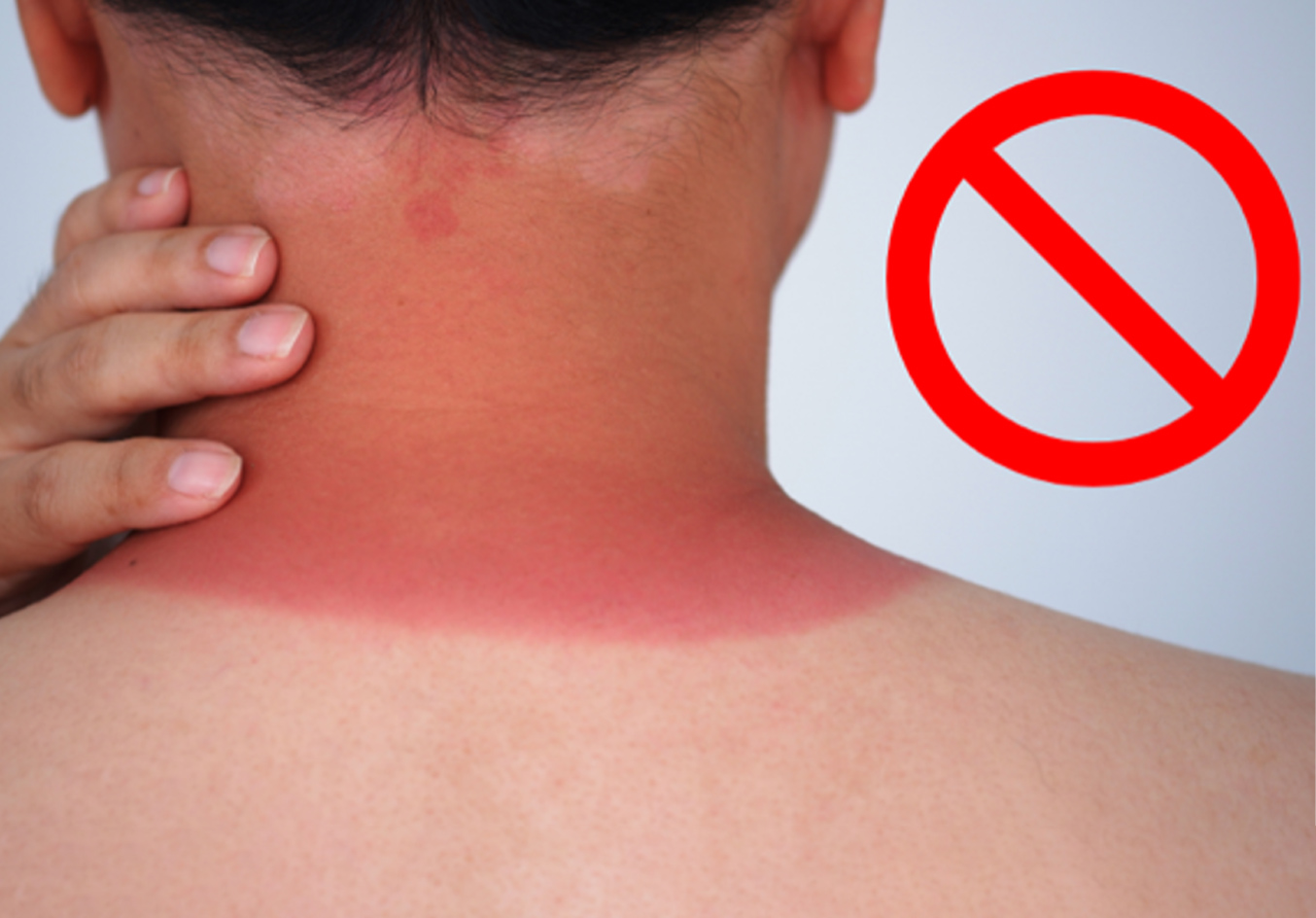
Avoid intense sun exposure – don’t get sunburned!
Patient Resources
Learn more about NMSC and non-invasive skin imaging
-
Primary Care Dermatology Society – BCC Patient Leaflet (UK)
Easy-to-read overview of BCC signs, causes, and self-examination advice. Basal cell carcinoma – patient information leaflet (PCDS)
-
University College London Hospitals – BCC Patient Support
A practical patient leaflet with information about basal cell carcinoma (PDF). Basal Cell Carcinoma (UCLH)
-
Healthdirect, Australia – Basal Cell Carcinoma
Government-accredited basic info on BCC, symptoms, and management. Basal cell carcinoma (Healthdirect)
-
Skin Cancer Foundation – Basal Cell Carcinoma (US)
Comprehensive guidance on signs, treatment options, and warning signs. Basal Cell Carcinoma – Skin Cancer Foundation
-
Mayo Clinic – BCC Symptoms & Treatment
A patient-centric description of what BCC looks like and how it’s diagnosed and treated. Basal cell carcinoma – Mayo Clinic overview
-
Macmillan Cancer Support – Skin Cancer Support (UK)
Practical support for people affected by skin cancers (including BCC), including helpline and community support. Skin cancer support – Macmillan Cancer Support
Speak to Your
Dermatologist
Early detection saves lives.
Notice any new or changing spots on your skin? Early detection saves lives.
Also ask your dermatologist about VivoSight OCT, a non-invasive, fast, and safe way to assess your skin.